
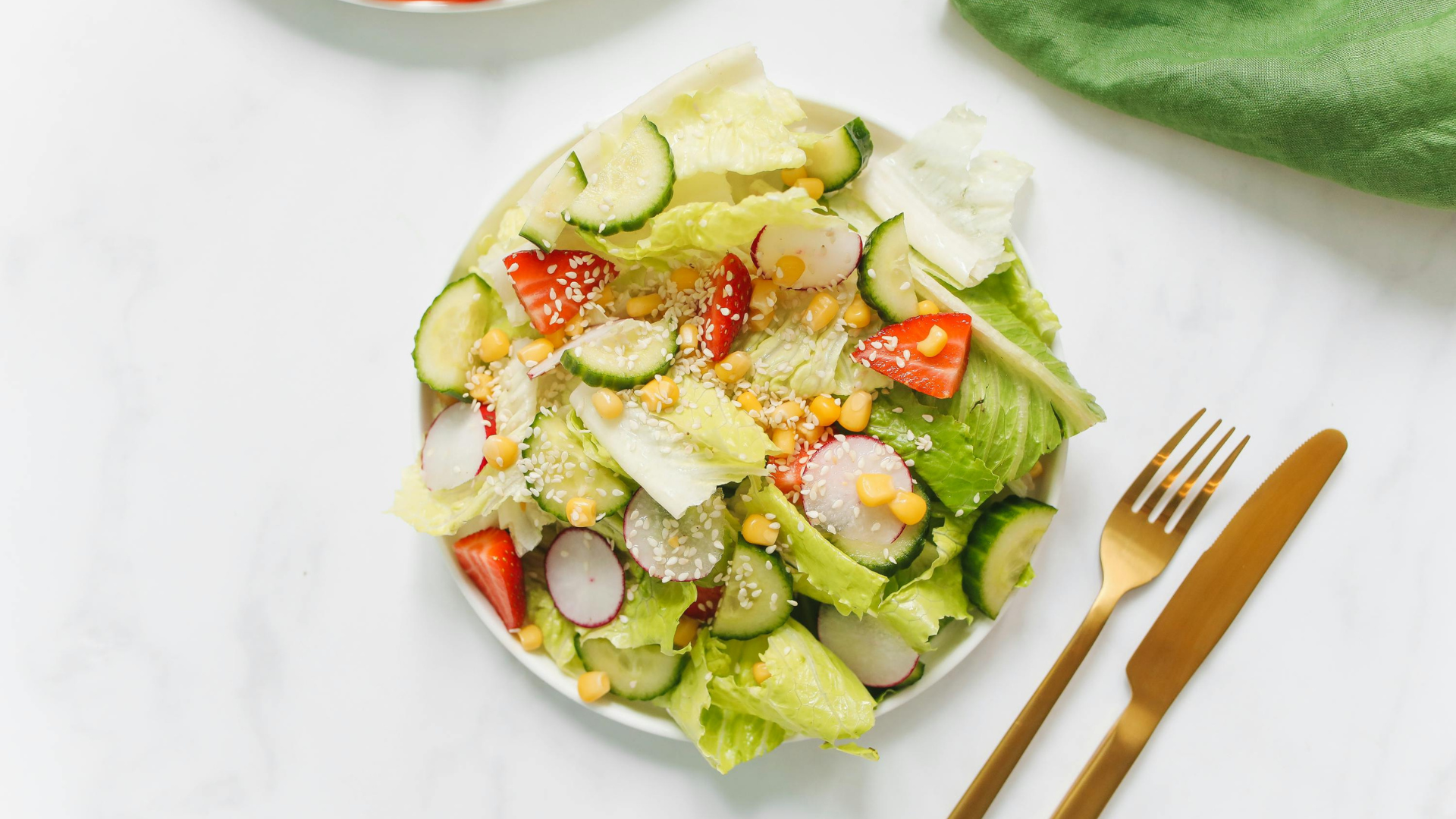
There was a time when I barely thought about my eating habits at all. In my 20s and even early 30s, I could skip breakfast, survive on bread, eat random snacks throughout the day, and somehow still function. Most days, the only decent meal I used to have was dinner, and I never really stopped to think about how food affected my body beyond whether I felt full or not.
But somewhere in my late 30s, things started changing. I started noticing how sluggish and down I felt after eating badly for several days in a row.
I also realised that my energy levels were becoming more unpredictable. I’d hit a wall in the afternoons, feel constantly drained, or end up craving sugar and snacks late at night because I hadn’t eaten properly during the day. My eating habits were no longer supporting me. And I needed to do something about it.
Motherhood Made Me Put Myself Last
I think a huge part of this came down to the stage of life I was in. As a mum, there are so many days where everyone else’s needs come before your own. You spend your time thinking about school schedules, work deadlines, laundry, dinner, shopping lists, appointments, and a hundred tiny invisible tasks that nobody really notices but somehow all sit in your brain at once.
And somewhere in the middle of all that, your own meals become an afterthought.
It wasn’t intentional neglect. I was just overwhelmed, busy, and mentally stretched thin. I think so many mums quietly live this way without even fully realising how much it affects them over time.
My Relationship With the Scale Became Unhealthy
For years, I had a very unhealthy relationship with the scale. I weighed myself far too often, and whether I admitted it to myself or not, that number had a huge impact on my mood and confidence.
If the number went down, I felt successful. If it went up, even slightly, it could genuinely affect how I felt about myself.
Looking back now, I can see how much emotional power I had handed over to something that only showed one tiny part of the bigger picture. My mood, confidence, and self-worth were becoming tied to fluctuations that didn’t actually tell me much about my health, energy, or wellbeing.
Why the Scale Felt So Important
At the time though, it felt normal. So many women grow up believing the scale is the ultimate measure of success when it comes to health. You’re constantly taught to chase a lower number, as if that alone determines whether you’re doing well or failing.
I don’t even think I realised how much mental space it was taking up until I started going to the gym at 37. For the first time in a long time, my focus shifted away from simply trying to weigh less. I started caring more about strength, energy, and longevity. I wanted to feel strong in my body, not just skinnier.
Once I started strength training, my weight sometimes started going up instead of down. At first, this completely confused me. I was exercising more, feeling fitter, getting stronger, and yet the scale wasn’t rewarding me in the way I thought it should.
I remember realising how ridiculous it felt that I could feel healthier, stronger, and more capable, while simultaneously feeling disappointed because of a number on a scale.
That was a huge wake-up call for me.
It made me realise how disconnected I’d become from my actual health. I had spent so long focusing on weight that I’d stopped paying attention to all the other things that mattered so much more.
Eventually, I decided to stop weighing myself altogether.
Honestly, it was one of the healthiest decisions I’ve ever made for myself mentally. Instead of obsessing over a number every morning, I started paying attention to completely different things. My energy levels. My strength at the gym. Whether I felt good in my clothes. Whether I felt rested. Whether I felt comfortable and confident in my own body.
I Started Measuring Health Differently
Once I stopped weighing myself, I slowly started paying attention to completely different things instead. I noticed my energy levels more. I paid attention to how strong I felt in the gym, whether my clothes fit comfortably, whether I felt rested when I woke up, and whether I felt good in my own body overall.
That shift changed so much more than my eating habits. It changed my relationship with myself.
I stopped seeing healthy eating as “punishment” . I stopped approaching food with guilt and rules attached to every decision. Instead, I started focusing on habits that genuinely helped me feel better physically and mentally.
For the first time in a long time, healthy eating started feeling supportive instead of restrictive. Rather than constantly trying to shrink myself, I began focusing on supporting my energy, mood, strength, and overall wellbeing.
I also realised that health looks very different in your late 30s compared to your 20s. Back then, I mostly cared about appearance. Now, I care much more about how I feel day to day. I want stable energy. I want to feel strong. I want to wake up feeling good instead of constantly depleted.
That mindset shift brought a lot more peace into my life than obsessing over calories or weight ever did.
The Eating Habits That Made the Biggest Difference
One of the biggest changes I made was prioritising protein more consistently because I genuinely noticed a difference in my energy and fullness when I did. Instead of grabbing quick snacks that left me hungry an hour later, I started focusing more on meals that actually satisfied me.
I also became more aware of how many convenience carbs I was eating throughout the day simply because they were easy. Toast for breakfast, bread at lunch, crackers as snacks…it added up quickly on busy days when I didn’t have the energy to think about food properly.
And to be clear, I still love carbs. I still eat pasta, bread, and foods I genuinely enjoy. I don’t believe in cutting them out completely.
But I did start focusing more on balance. I increased my fibre intake by adding more vegetables, fruit, and whole foods into my meals instead of relying so heavily on bread-based foods throughout the day.
I noticed that when I ate meals with more fibre and protein, I felt fuller for longer, had more stable energy, and fewer cravings later on.
Having freezer meals ready has been one of the biggest game changers for me for the past 17 years, because it removes so much stress around dinner time. It means I always had something nourishing available on the days where I felt tired, overwhelmed, or mentally drained.
I also stopped chasing perfection with food. I still love eating out, I still enjoy dessert, and I still have days where meals are incredibly simple because life is chaotic.
Healthy Eating Looks Different to Me Now
One of the biggest lessons my late 30s taught me is that healthy eating needs to fit real life. Especially as a mum.
I don’t want a lifestyle that only works when everything is perfectly planned and calm because real life is rarely like that. Some weeks feel organised and balanced, while other weeks feel like complete survival mode from start to finish.
That’s why I’ve stopped focusing on perfection and started focusing on support instead. Small systems that make life easier have helped me far more than strict meal plans or extreme diets ever did.
Things like prepping ingredients ahead, simplifying dinner decisions, and making more of what I’m already cooking have genuinely changed how I feel week to week.
I think for a long time I believed healthy eating had to look very disciplined or restrictive to “count.” Now, I see it completely differently. Sometimes healthy eating simply looks like making sure there’s food in the freezer for a hard week. Sometimes it’s eating a proper lunch instead of surviving on toast. This version of healthy living feels far more sustainable.
Final Thoughts
These days, I care far more about how I feel than chasing a specific number on the scale. I care about energy, strength, confidence, mental clarity, and feeling comfortable in my own skin. I care about building habits that support my life instead of constantly making me feel like I’m failing.
My eating habits didn’t change overnight. This happened slowly through small mindset shifts, tiny habit changes, and learning how to take better care of myself little by little.
And honestly, I think that’s what healthy living often looks like in your late 30s. Not perfection or restriction or obsessively trying to shrink yourself.
Instead, learning how to support yourself better in a season of life where everyone seems to need something from you.
And finally realising that you deserve looking after too.
I really hope this inspires you today.
Love,
Nakita xxx




Leave a Comment