
Paperwork is one of those tasks that many of us put off. Whether it’s a form demanding information you’re going to need to look up or it just doesn’t seem urgent, it’s easy to let your paperwork pile up until it creates mountains that you feel you’ll never be able to climb. If that sounds like you, I’ve got some tips that will help you organise your paperwork once and for all, without any tears.
Let’s dive in!
Step 1: Set yourself up for success
Give yourself the tools you need to manage your paperwork effectively. Here are the three things you most definitely need:
- 2 letter trays or a box that is big enough to accommodate paper accumulated over a month or so.
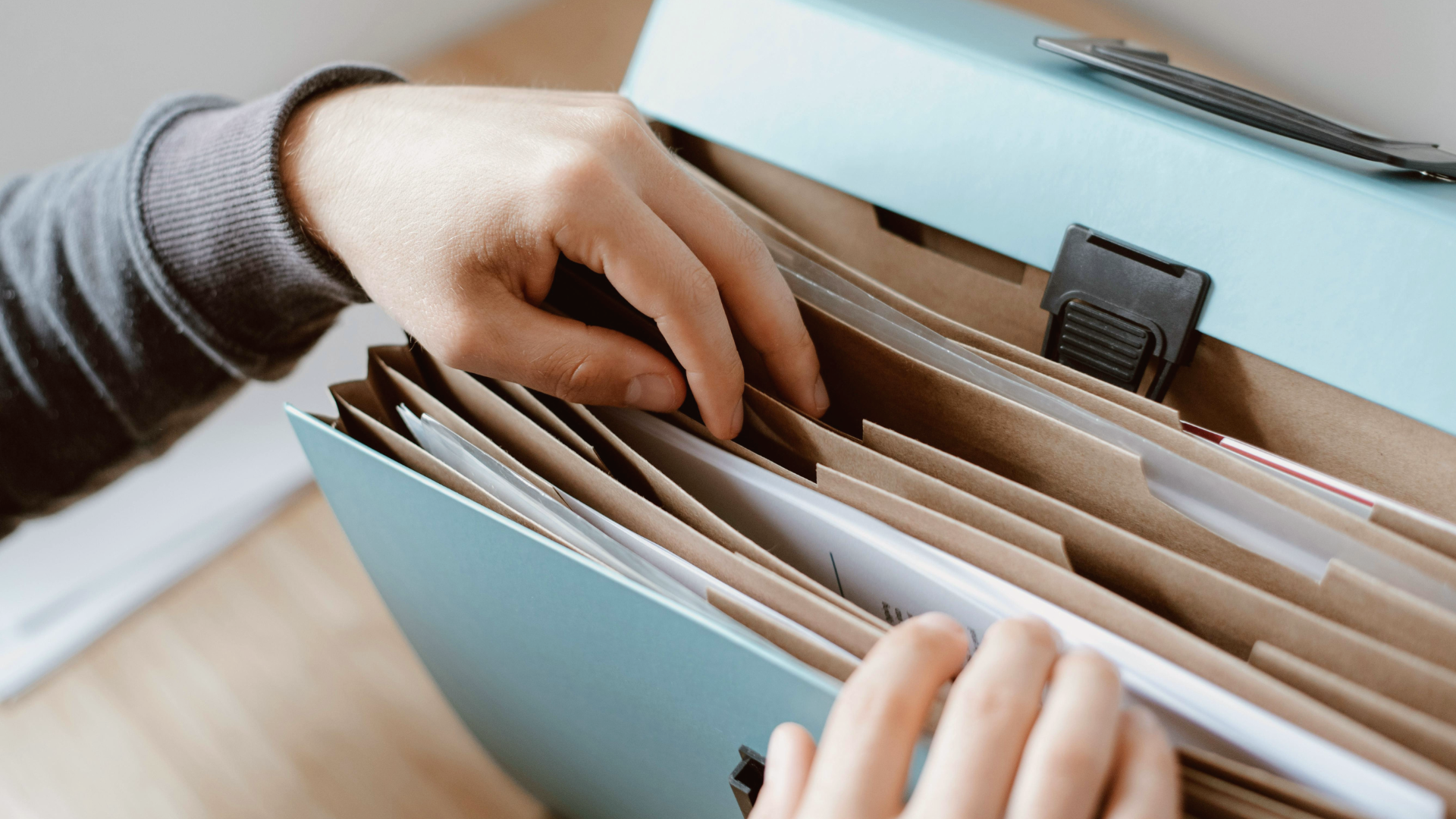
- A filing cabinet, preferably one with a few drawers, or an accordion-style folder or two. I chose the latter since space is limited.
Having a central place to keep your papers is essential. I like having two: and label one as ‘temporary’ and the other as ‘to file’. When you get mail or school documents, place them immediately in the letter tray that is suitable. Do you need to refer to this paper again, and then eventually you’d be done with it? Or is this something you’ll need to file?
Always review deadlines before you act. For urgent items, leave them in one spot on the kitchen counter to handle at day’s end.
Step 2: Review weekly
Choose a day of the week to review your stack of paperwork, and try to stick to that day week after week. I like Monday evenings personally, but choose what fits your schedule.
This will be the day you go through what’s been piling up in the letter trays. I highly recommend choosing a time you’re unlikely to be interrupted or distracted. It will go much faster, and you’re much less likely to make mistakes if you can do this undisturbed.
Step 3: Set some reminders
Go through your papers and figure out what needs to be done. Set reminders in Google Calendar for tasks like appointments, buying stamps, or making copies.
Clip your stack together once you’ve dealt with everything. It’s going to stay in your letter tray until your monthly filing spree, which I’ll get to in a minute.
By clipping the documents you’ve processed, you prevent them from mixing with new ones arriving in the next few days. Continue adding new documents that come in on top of the clipped stack until the next week ends, and then deal with all the new documents that have come in since then.
Step 4: File monthly
At the end of the month, unclip everything and take the time to file all your documents in the ‘to file’ tray. If you’re using a filing cabinet or accordion-type folder, that just means placing them in the right drawer underneath. Use categories such as work, taxes, receipts, school, house expenses, and so on, and label everything carefully. You’re the best judge of how much space you need for each category. For example, when we were doing up our apartment I know I’d have a huge stack of papers for the house, so I’ve got one folder which is specifically just for the house. Once full, label the folder by year and begin a new one.
Ask yourself if you really need each document as you file. If something isn’t truly necessary, shred or recycle it – but keep it if you have any doubts, especially if it’s related to taxes. When you add papers to your filing cabinet, do it in date order, adding the newest ones to the front of the section each time to organise your paperwork chronologically.
Dealing with paperwork is nobody’s idea of a fun time, so I also recommend doing everything you can to reduce the volume of paperwork you have coming in. See about getting your utility bills and bank statements online, and consider scanning documents and keeping digital copies (don’t forget backups).
You’ll be amazed at how much easier it is when you have a good system to organise your paperwork and take setups to minimise it. Good luck!
Love,
Nakita xxx






Leave a Comment